
Introduction
Managing maintenance across a large fleet is not simply about knowing what needs to be repaired. The harder question is what needs attention first.
A fleet may have several vehicles approaching scheduled service, another showing a warning indicator, and another waiting for a recurring repair. Workshop capacity, technicians, parts, and vehicle availability are all limited.
As per a benchmarking report in 2026, based on nearly 1.2 million vehicles and 17.5 billion miles, found that only 6.7% of fleets described their maintenance environment as fully scheduled, while 48% operated with a mix of scheduled and unscheduled maintenance. The report also identified communication gaps, technician availability, and unscheduled service volume as major barriers to completing maintenance on time.
A prioritisation framework helps fleet operators decide where limited resources should go first.
1. Start With Safety-Critical Issues
Safety should be the first filter.
Issues involving braking, steering, tyres, critical warning indicators, or other safety-related systems should receive immediate attention, particularly when continued operation could create a safety risk.
Not every maintenance task has the same consequence if delayed. A routine inspection and a vehicle showing a serious braking issue should not compete for the same priority.
2. Identify Vehicles at Immediate Risk of Breakdown
The next priority should be vehicles showing signs of developing mechanical problems.
Consider:
- - Warning indicators
- - Unusual noises or vibrations
- - Fluid leaks
- - Repeated driver complaints
- - Recent failed inspections
- - Recurring faults
A vehicle that appears likely to fail soon may deserve attention before one that simply has a routine service approaching.
3. Consider Vehicle Utilisation
A vehicle's operational importance should also influence prioritisation.
A taxi operating continuously or a self-drive rental vehicle scheduled for upcoming bookings may have a higher operational impact when unavailable than a low-utilisation vehicle.
This does not mean postponing required maintenance on low-utilisation vehicles indefinitely. It means using utilisation to decide how maintenance should be sequenced when resources are constrained.
4. Check Maintenance History
Historical information provides important context.
A vehicle with repeated brake repairs, frequent battery replacements, or increasing repair frequency may require closer investigation than another vehicle with a clean maintenance history.
This is why vehicle maintenance history should be part of fleet maintenance management rather than simply an archive of old invoices.
5. Consider Downtime and Repair Impact
Estimate what happens if a vehicle remains unavailable.
Factors can include:
- - Expected repair duration
- - Vehicle utilisation
- - Availability of replacement vehicles
- - Operational commitments
- - Parts availability
- - Workshop capacity
Prioritising purely by the date a vehicle entered the maintenance queue can result in inefficient decisions. The potential operational impact matters too.
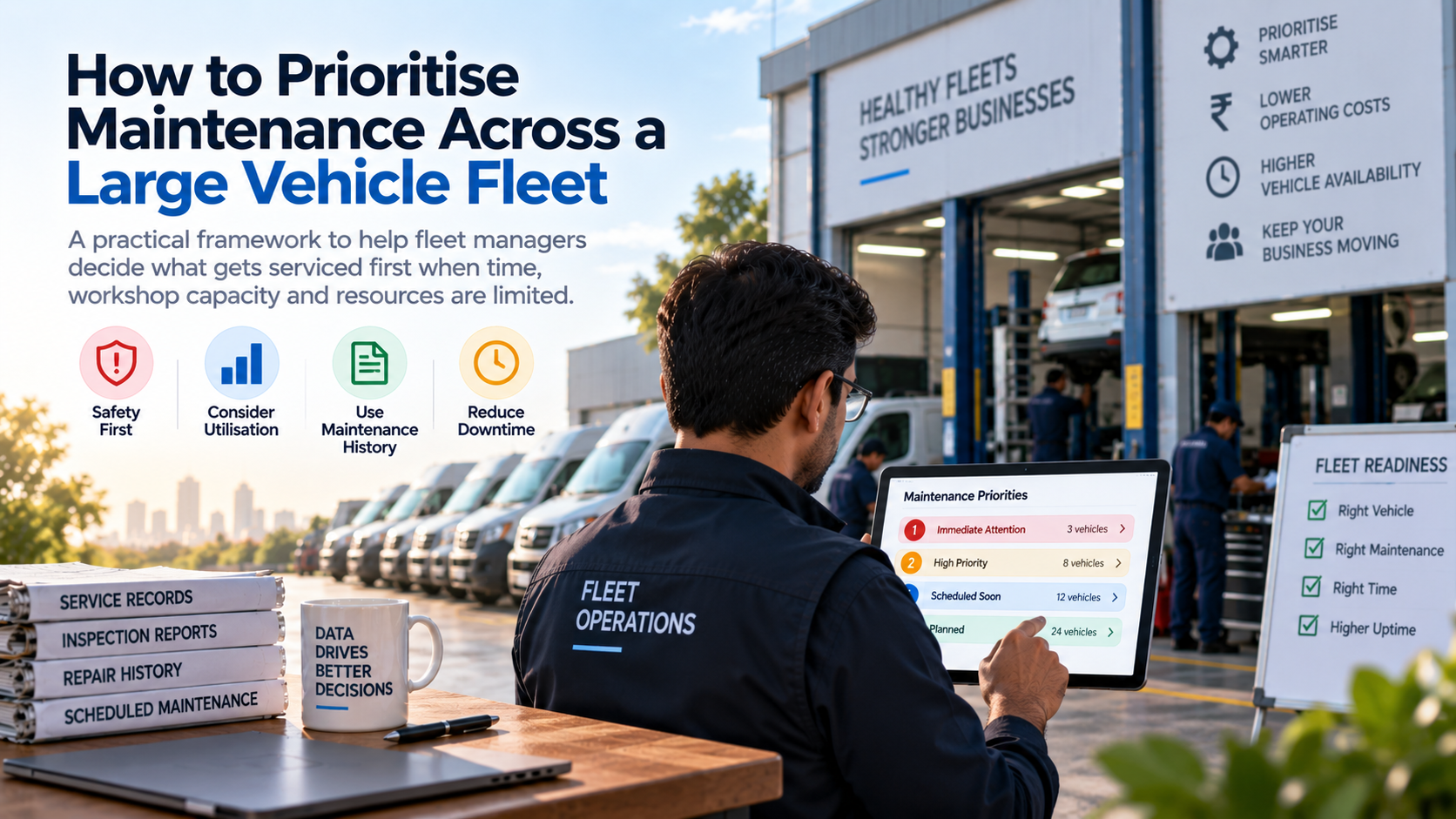
6. Create a Simple Priority Framework
A practical fleet maintenance prioritisation system can classify vehicles into:
Priority 1 — Immediate: Safety risks, serious faults, or high breakdown risk.
Priority 2 — High: Vehicles with recurring problems, significant deterioration, or high operational dependence.
Priority 3 — Scheduled: Routine servicing and inspections approaching their due threshold.
Priority 4 — Planned: Lower-risk maintenance that can be scheduled around workshop capacity and vehicle availability.
The exact criteria should be adapted to the fleet's vehicle types and operating requirements.
Use Maintenance Data to Improve Prioritisation
Prioritisation becomes difficult when fleet information is fragmented across spreadsheets, invoices, workshop records, and messages.
A centralised vehicle record can bring together service history, repairs, mileage, and maintenance activity so fleet managers have better context when deciding what requires attention.
AutoRef helps fleet owners maintain vehicle-level service and repair records, providing the historical context needed to manage maintenance more consistently.
Conclusion
Effective fleet maintenance management does not mean treating every maintenance requirement as equally urgent. It means identifying which vehicles face the greatest safety, reliability, or operational risk, then allocating limited resources accordingly.
A clear prioritisation framework, supported by accurate vehicle history and current maintenance information, can help fleet operators reduce avoidable downtime while keeping routine maintenance from being forgotten.
Frequently Asked Questions
How do you prioritise maintenance across a large fleet?
Start with safety-critical issues, then consider breakdown risk, vehicle utilisation, recurring problems, repair duration, and operational impact. Routine maintenance can then be scheduled around the remaining capacity.
Should high-utilisation vehicles always get maintenance priority?
Not necessarily. Utilisation is one factor. Safety, vehicle condition, breakdown risk, and maintenance urgency should take precedence when a serious issue exists.
Why is maintenance history important when prioritising repairs?
Maintenance history can reveal recurring failures, frequent component replacements, and deteriorating vehicle condition. This helps distinguish routine maintenance from vehicles that may require more immediate attention.
Related Articles
All Fleet Maintenance Management →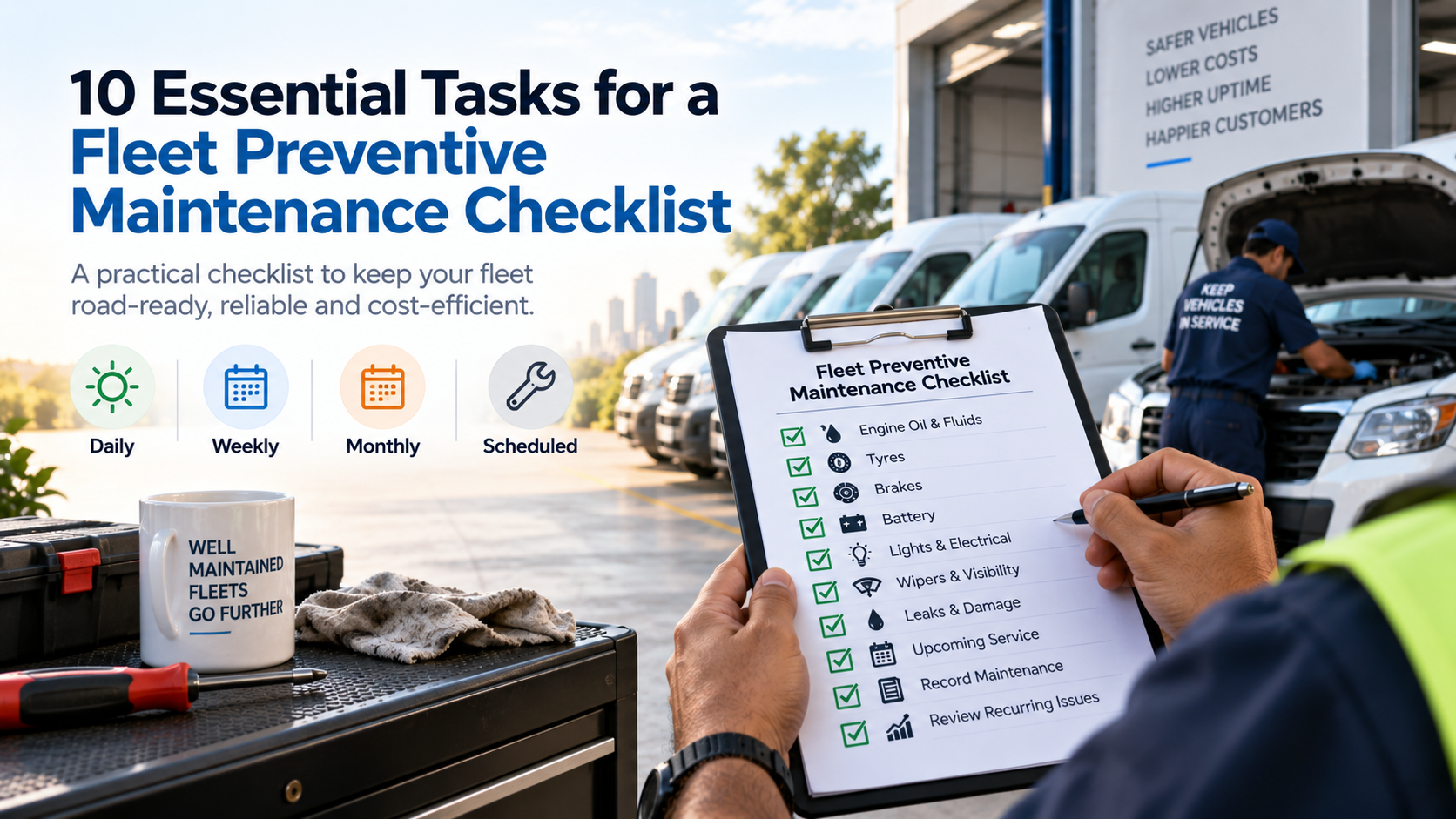 Fleet Maintenance Management
10 Essential Tasks for a Fleet Preventive Maintenance Checklist
Use this fleet preventive maintenance checklist to inspect fluids, tyres, brakes, battery, lights, leaks, and records to cut downtime and costs.
 Fleet Maintenance Management
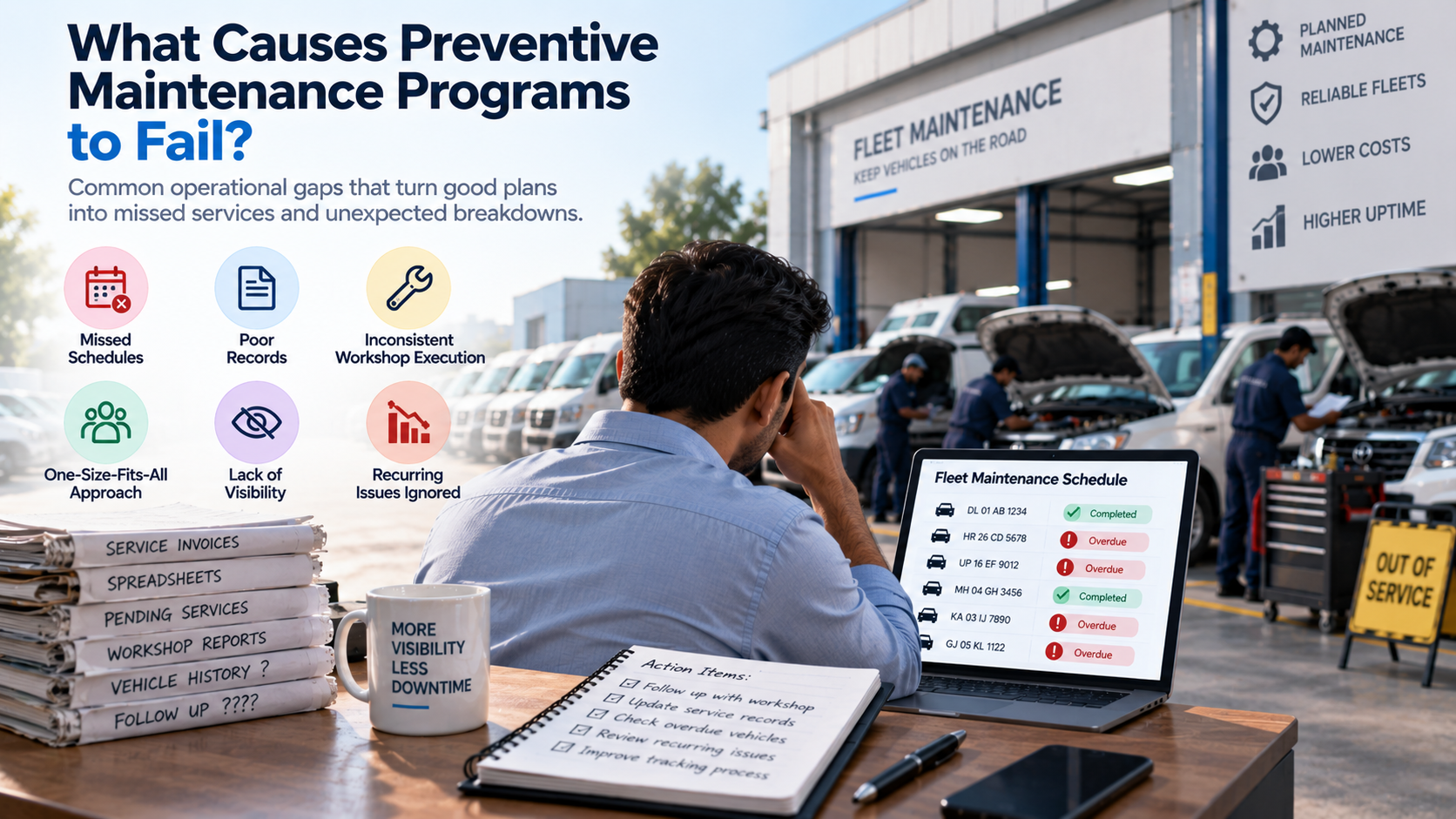
What Causes Preventive Maintenance Programs to Fail?
What Causes Preventive Maintenance Programs to Fail?
 Fleet Maintenance Management
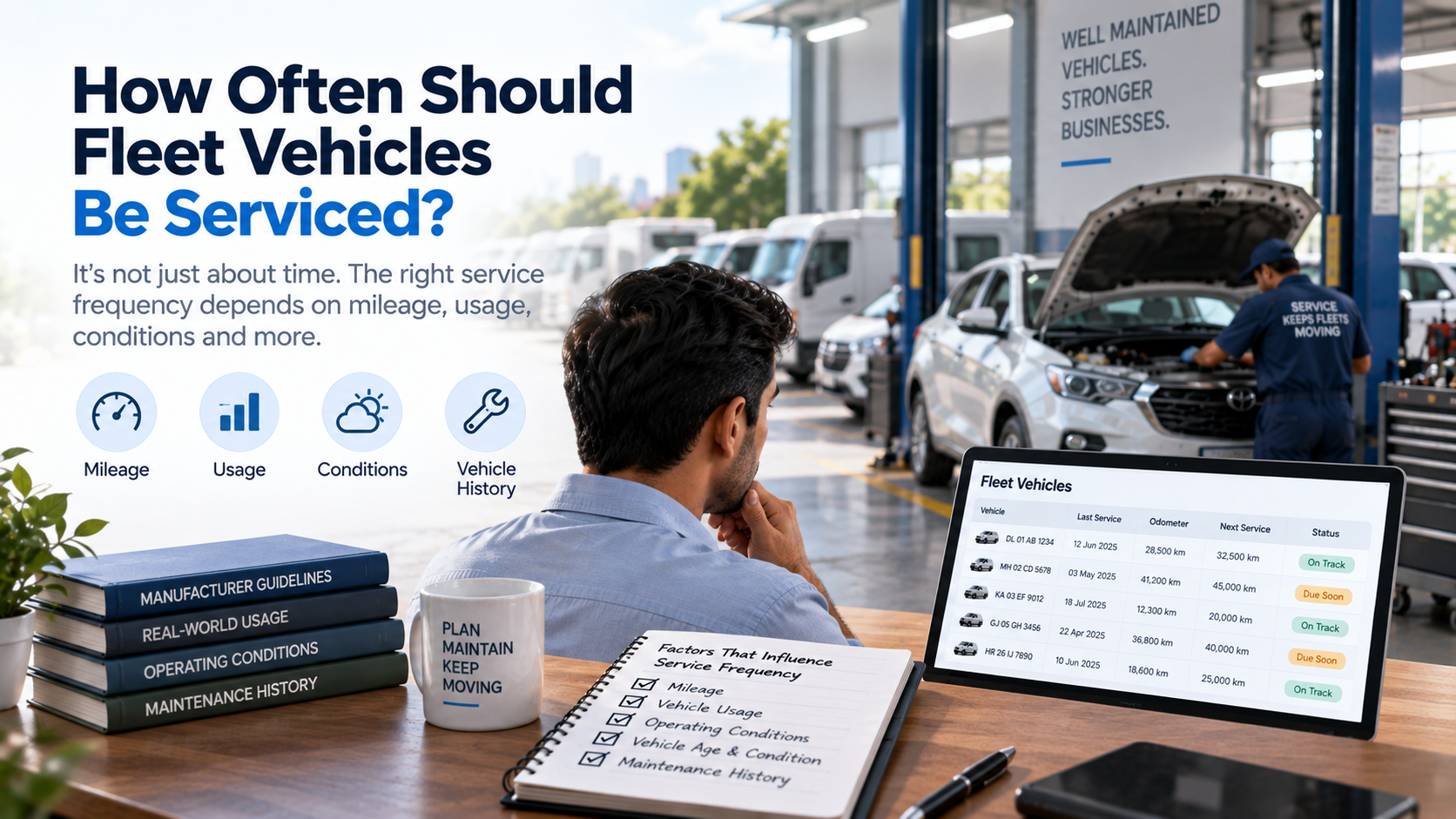
How Often Should Fleet Vehicles Be Serviced?
Set fleet service intervals using mileage, usage, conditions, age and repair history not just the calendar. Build schedules per vehicle for reliability.