
Introduction
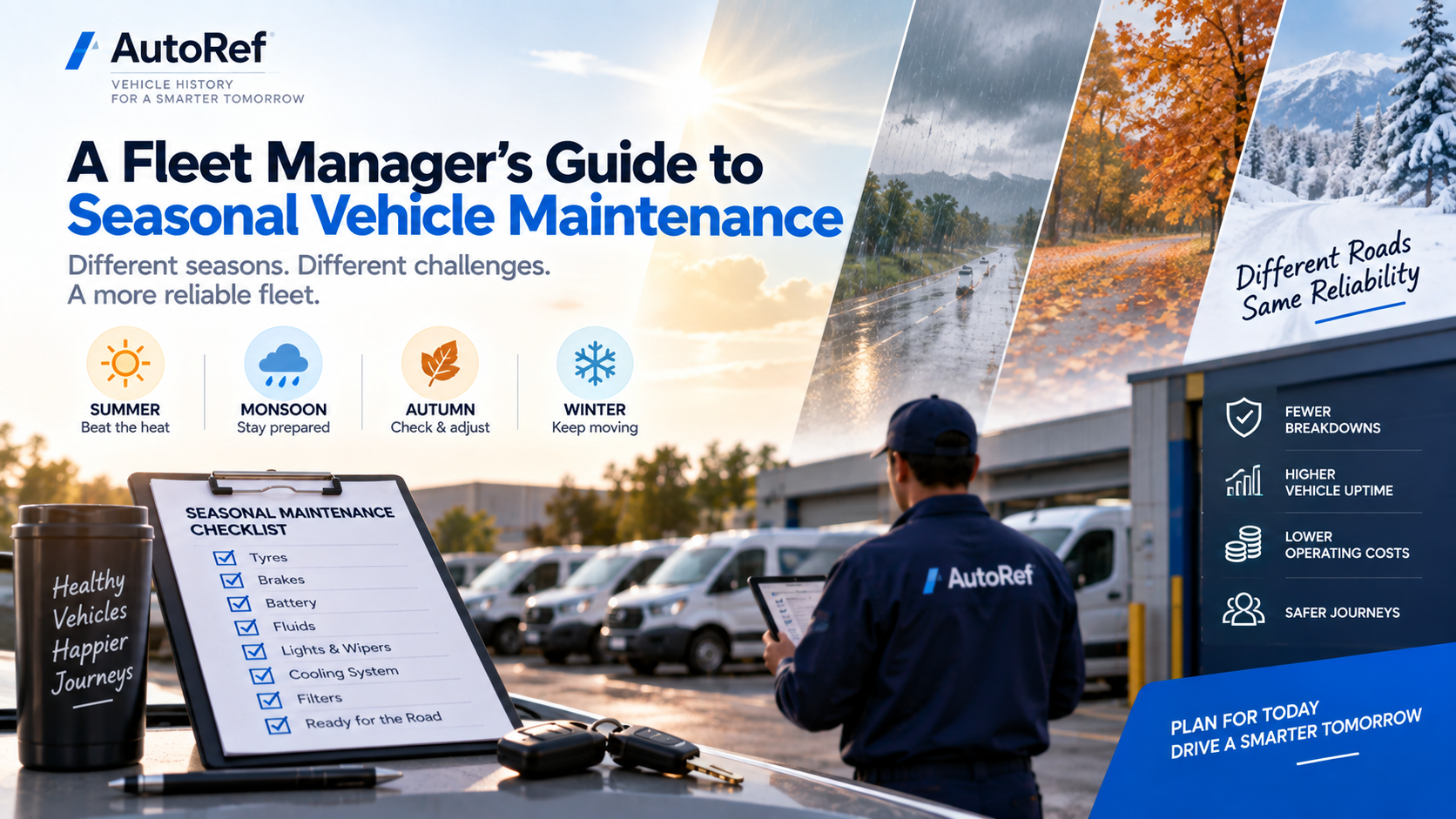
A fleet maintenance schedule should not remain identical throughout the year.
Changes in temperature, rainfall, road conditions, humidity and vehicle usage can create additional maintenance requirements. A vehicle operating through heavy monsoon conditions may need different checks from one operating in extreme summer heat, while vehicles working in dusty or high-altitude regions can face another set of challenges.
This is why seasonal fleet maintenance should be treated as an extension of preventive maintenance rather than a separate activity.
The objective is not to create a completely new maintenance schedule for every season. Instead, fleet managers should identify which components and operating risks require additional attention as conditions change.
Why Seasonal Conditions Matter for Fleet Maintenance
Vehicles are exposed to different stresses depending on where and how they operate.
For example:
- - Heavy rain can affect visibility, braking conditions and electrical components.
- - High temperatures can increase stress on cooling systems, batteries and tyres.
- - Cold conditions can affect battery performance, fluids and starting.
- - Dusty environments can increase the need to monitor air filtration and component cleanliness.
- - Poor or flooded roads can increase wear and the risk of underbody damage.
These factors should be considered alongside the normal fleet preventive maintenance schedule
1. Prepare for Temperature Changes
Extreme temperatures can place additional stress on vehicle systems.
Before periods of high heat, fleet managers should pay particular attention to:
- - Engine coolant levels and cooling-system condition
- - Battery condition
- - Tyre condition and inflation
- - Engine oil and other required fluids
- - Air-conditioning performance
In colder regions, battery condition and starting performance may deserve greater attention.
The exact maintenance requirements depend on the vehicle and manufacturer recommendations, so seasonal checks should complement rather than replace the standard vehicle maintenance schedule.
2. Inspect Tyres Before Difficult Road Conditions
Tyres are particularly important when road conditions change.
Before a period of heavy rain or challenging road conditions, check:
- - Tread condition
- - Tyre pressure
- - Visible damage
- - Uneven wear
- - Spare tyre condition
Fleet operators should also pay attention to vehicles showing unusual or repeated tyre wear.
A tyre inspection can be part of a broader fleet maintenance checklist, but the frequency of checks may need to increase when vehicles operate in demanding conditions.
3. Check Brakes and Visibility
Wet, muddy or otherwise difficult road conditions can increase the importance of reliable braking and good visibility.
Seasonal inspections should include:
- - Brake condition
- - Brake fluid where applicable
- - Wipers and washer systems
- - Windscreen condition
- - Headlights and other exterior lights
- - Defogging and demisting systems
These checks are particularly relevant for taxis, rental vehicles and company fleets that operate for long hours or across multiple locations.
4. Pay Attention to Batteries and Electrical Systems
Battery performance can be affected by extreme temperatures, while moisture can create additional concerns for electrical connections and components.
Fleet managers should monitor:
- - Battery condition
- - Starting performance
- - Visible corrosion
- - Electrical warning signs
- - Lighting systems
- - Vehicle-specific electrical components
A battery that repeatedly causes problems should not simply be replaced and forgotten. Its previous replacements and related repairs should remain part of the vehicle's maintenance history.
5. Adapt Maintenance to the Region
A useful seasonal maintenance strategy should be region-specific.
For example:
Heavy rainfall regions
Focus on tyres, brakes, wipers, lights, visibility and potential water-related issues.
Hot and dry regions
Pay closer attention to cooling systems, batteries, tyres, fluids and air-conditioning.
Dusty environments
Monitor air filters, engine-bay cleanliness and components affected by dust exposure.
Cold regions
Pay greater attention to battery performance, fluids and starting systems.
A fleet operating across multiple cities should therefore avoid assuming that every vehicle faces the same seasonal risks.
6. Consider Vehicle Usage, Not Just Weather
Weather is only one part of seasonal fleet maintenance.
A vehicle that travels 5,000 km during a season will experience different wear from one travelling 20,000 km.
Combine seasonal conditions with:
- - Odometer readings
- - Vehicle utilisation
- - Route conditions
- - Vehicle's age
- - Previous repairs
- - Maintenance history
This creates a more practical preventive maintenance program than applying the same checklist to every vehicle.
7. Record What Was Found
Seasonal inspections are useful only if the findings are recorded.
For each vehicle, capture:
Date → Odometer → Inspection → Issue identified → Action taken → Parts replaced
Recording this information creates a useful history that can influence future maintenance decisions.
If the same vehicle repeatedly develops a problem during a particular operating period, that pattern becomes easier to identify when its service and repair records are connected.
Seasonal Maintenance Should Complement Your Regular Schedule
Seasonal checks should not replace your existing maintenance plan.
Instead, think of the process as:
Regular preventive maintenance + seasonal risk checks + vehicle history
Your regular vehicle maintenance schedule provides the baseline. Seasonal inspections account for changing operating conditions, while maintenance history helps determine whether an individual vehicle requires additional attention.
For large fleets, this approach also makes it easier to identify vehicles that need attention before seasonal conditions create operational problems.
How AutoRef Helps Maintain Vehicle History
AutoRef helps fleet operators maintain connected service and repair information at the vehicle level.
By keeping maintenance records associated with individual vehicles, fleet teams can review previous work, understand recurring issues and use historical information when making future maintenance decisions.
This provides useful context alongside your existing fleet maintenance processes without replacing manufacturer-recommended servicing.
Conclusion
Effective seasonal fleet maintenance is not about creating four identical checklists for four seasons.
It is about understanding how weather, region, road conditions and vehicle utilisation affect maintenance risk and then adjusting inspections accordingly.
Combine seasonal checks with a structured preventive maintenance schedule and reliable vehicle maintenance records, and fleet managers have a better basis for keeping vehicles safe, available and ready for changing operating conditions.
CTA
CTA Heading
CTA Text
Keep service and repair records connected to each vehicle so your fleet team can understand past maintenance and make better decisions as operating conditions change.
CTA Button
Frequently Asked Questions
What is seasonal fleet maintenance?
Seasonal fleet maintenance involves additional inspections and maintenance considerations based on changing weather, road conditions, operating environments and vehicle usage.
Which vehicle components should be checked seasonally?
Common areas include tyres, brakes, batteries, fluids, cooling systems, lights, wipers and visibility-related components. The exact checks depend on the vehicle and operating conditions.
Should every fleet vehicle follow the same seasonal checklist?
Not necessarily. Vehicles operating in different regions or under different conditions may face different risks. Usage, mileage, vehicle condition and maintenance history should also be considered.
Related Articles
All Fleet Maintenance Management → Fleet Maintenance Management
How Maintenance History Can Improve Your Preventive Maintenance Strategy
Learn how vehicle maintenance history helps identify recurring repairs, improve preventive maintenance, and make better vehicle maintenance decisions.
 Fleet Maintenance Management
Mileage-Based vs Time-Based Car Maintenance: Which Should You Follow?
Mileage-based vs time-based maintenance explained. Learn how mileage, time, vehicle usage and maintenance history affect your car service schedule.
 Fleet Maintenance Management
How to Prioritise Maintenance Across a Large Vehicle Fleet
Learn how to prioritise fleet maintenance using safety, breakdown risk, vehicle utilisation, maintenance history, and operational impact.