
Introduction
High-mileage vehicles require a more deliberate maintenance approach because they accumulate wear faster and may develop recurring issues. For taxi fleets, self-drive rental businesses, and individual owners, simply following a standard service interval may not provide enough visibility into the vehicle's actual condition.
High mileage does not automatically mean a vehicle is unreliable. A well-maintained vehicle with complete service history can remain useful for years. The key is to understand how mileage, usage, age, operating conditions, and previous repairs interact.
Why High-Mileage Vehicles Need Closer Attention
As mileage increases, wear accumulates across components such as brakes, tyres, suspension, battery, cooling systems, belts, and other wear-related parts.
High-utilisation vehicles can reach these wear points much sooner than vehicles used occasionally. A taxi covering several thousand kilometres each month, for example, may require more frequent inspections than a low-utilisation vehicle.
The objective is not to service a high-mileage vehicle unnecessarily. It is to identify developing issues early and prevent small problems from becoming expensive failures.
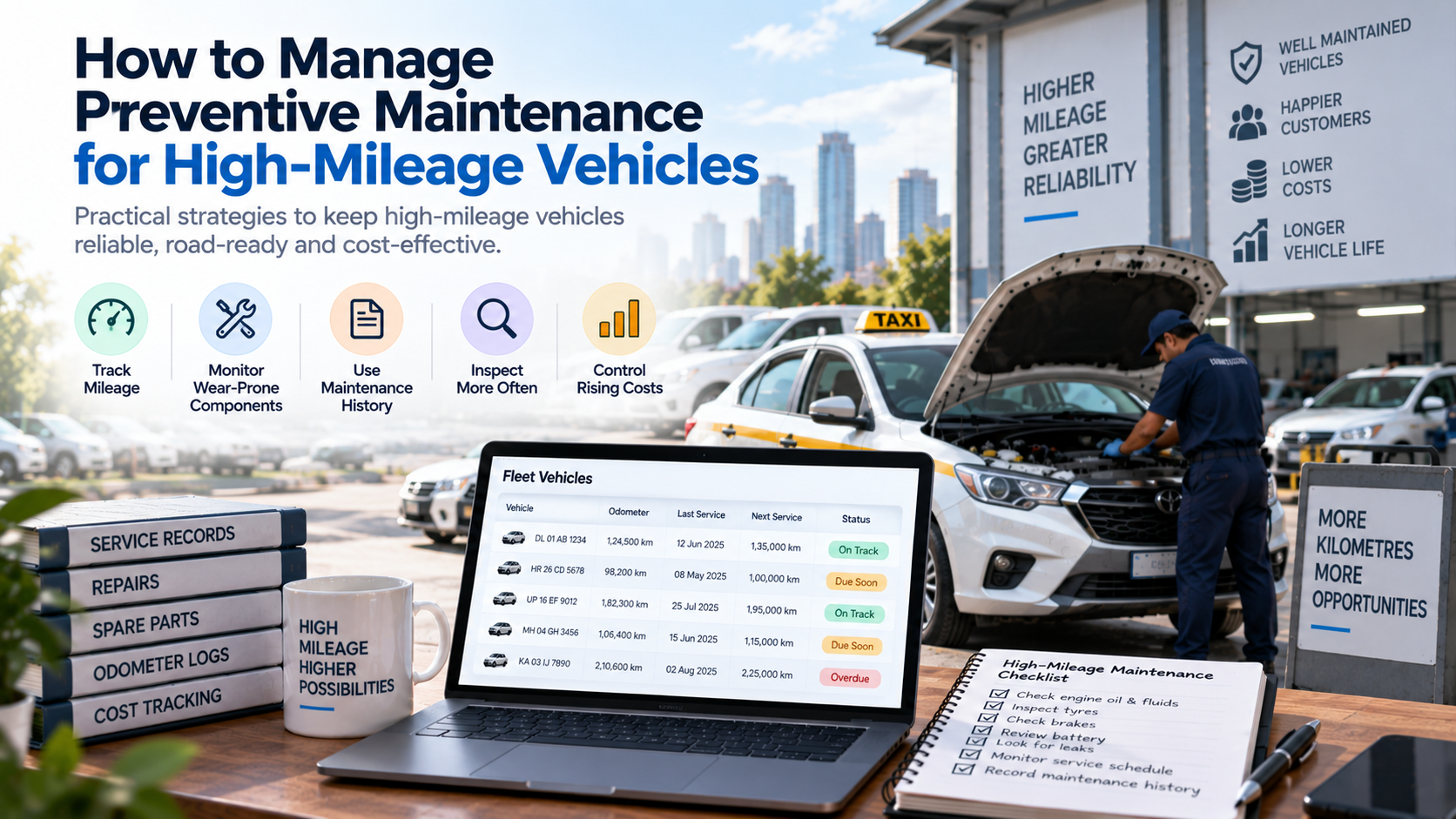
1. Track Mileage and Usage
Mileage should be a primary input into a high-mileage maintenance strategy.
Track:
- - Current odometer reading
- - Monthly kilometres travelled
- - Average daily utilisation
- - Type of driving
- - Time spent in heavy traffic or difficult conditions
This helps determine whether a vehicle is approaching maintenance or component-replacement thresholds faster than expected.
2. Monitor Wear-Prone Components
High-mileage vehicles need closer monitoring of components that experience regular wear.
These may include:
- - Brakes
- - Tyres
- - Battery
- - Suspension components
- - Belts and hoses
- - Filters and fluids
The exact requirements depend on manufacturer recommendations and actual condition. Maintenance should be based on those requirements rather than mileage alone.
3. Use Maintenance History to Identify Patterns
A vehicle's previous service and repair history becomes increasingly valuable as mileage accumulates.
Review previous work to identify:
- - Repeated repairs
- - Frequently replaced components
- - Increasing repair frequency
- - Recurring faults
A complete vehicle maintenance history can reveal patterns that are difficult to see when every workshop visit is treated as a separate event.
4. Inspect More Than the Service Schedule
Scheduled servicing should be combined with regular inspections.
Look for unusual noises, vibrations, fluid leaks, warning indicators, uneven tyre wear, braking changes, or other changes in vehicle behaviour.
Driver feedback is also useful, particularly for high-utilisation vehicles that spend long periods on the road.
5. Watch for Rising Maintenance Costs
High mileage can eventually change the economics of keeping a vehicle.
Track maintenance spending alongside repair frequency, downtime, and vehicle age. A vehicle requiring increasingly frequent repairs may deserve a closer review before its next major maintenance event.
This does not automatically mean it should be replaced. Consider its operating role, condition, remaining useful life, and total cost.
Managing High-Mileage Vehicles
As vehicles accumulate more service events, maintaining accurate history across invoices, spreadsheets, and workshop records becomes harder.
AutoRef helps owners maintain vehicle-level service and repair history in one place, making it easier to understand previous work and use that information when planning future maintenance.
Conclusion
High-mileage vehicle maintenance should not be based on mileage alone. Mileage provides an important trigger, but usage, operating conditions, vehicle age, component condition, and maintenance history provide the context needed to make better decisions.
For high-utilisation fleets and individual vehicle owners, consistently tracking this information can help identify recurring problems earlier and keep vehicles operating reliably for longer.
Frequently Asked Questions
Does high mileage mean a vehicle needs more frequent maintenance?
Not necessarily. Mileage is an important maintenance trigger, but service frequency should also consider manufacturer recommendations, vehicle usage, operating conditions, age, and actual vehicle condition.
Which components need closer attention on high-mileage vehicles?
Brakes, tyres, batteries, suspension components, belts, hoses, filters, and fluids may require closer monitoring as mileage increases. The exact requirements depend on the vehicle and manufacturer recommendations.
How does maintenance history help with high-mileage vehicles?
Maintenance history can reveal recurring repairs, frequently replaced components, and increasing repair frequency. This provides useful context when deciding what maintenance a vehicle may need next.
When should a high-mileage vehicle be considered for replacement?
High mileage alone should not determine replacement. Consider maintenance costs, repair frequency, downtime, vehicle condition, remaining useful life, operating requirements, and the total cost of keeping the vehicle.
Related Articles
All Car Maintenance & Upkeep → Fleet Maintenance Management
10 Essential Tasks for a Fleet Preventive Maintenance Checklist
Use this fleet preventive maintenance checklist to inspect fluids, tyres, brakes, battery, lights, leaks, and records to cut downtime and costs.
 Fleet Maintenance Management
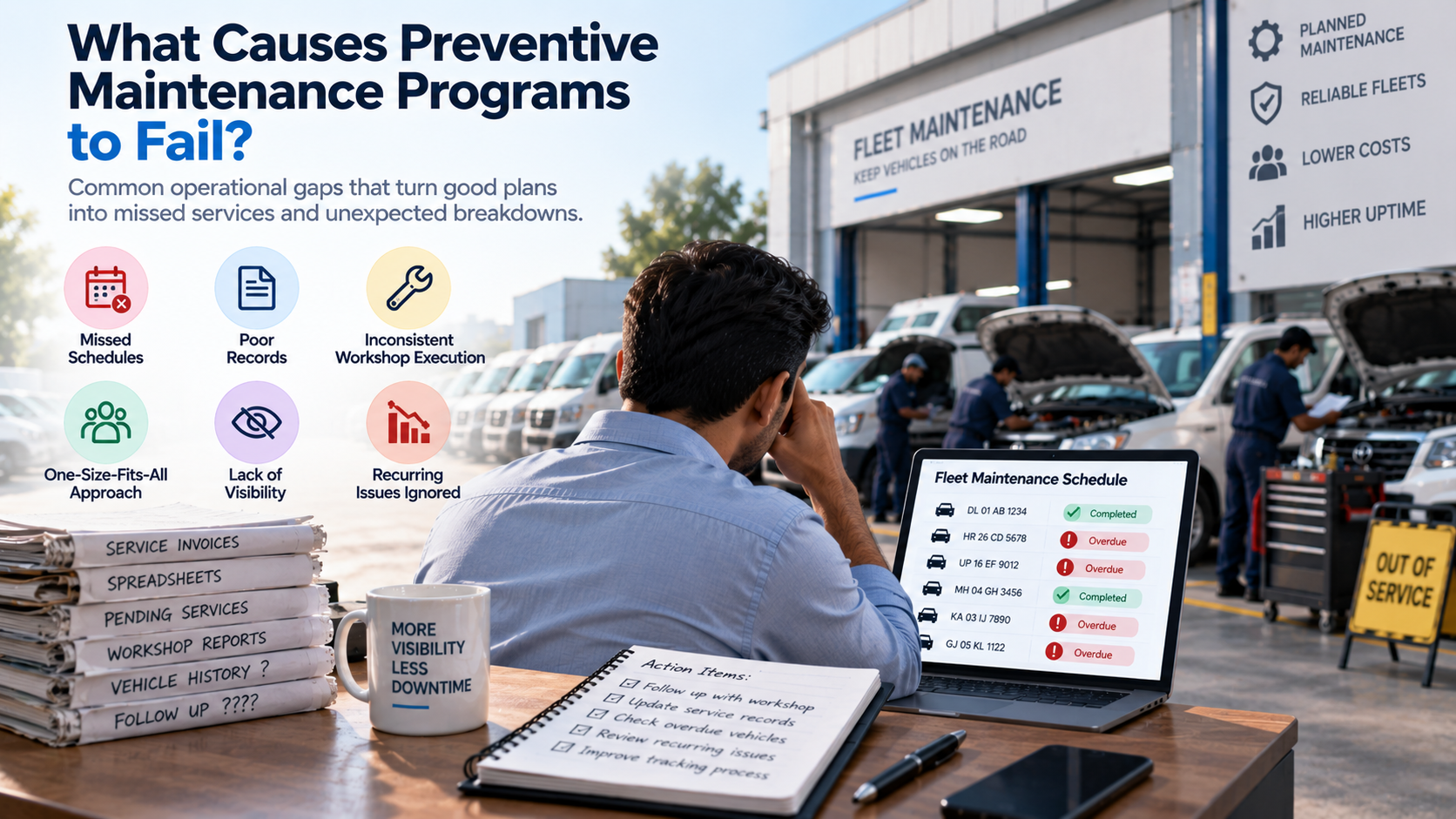
What Causes Preventive Maintenance Programs to Fail?
What Causes Preventive Maintenance Programs to Fail?
 Fleet Maintenance Management
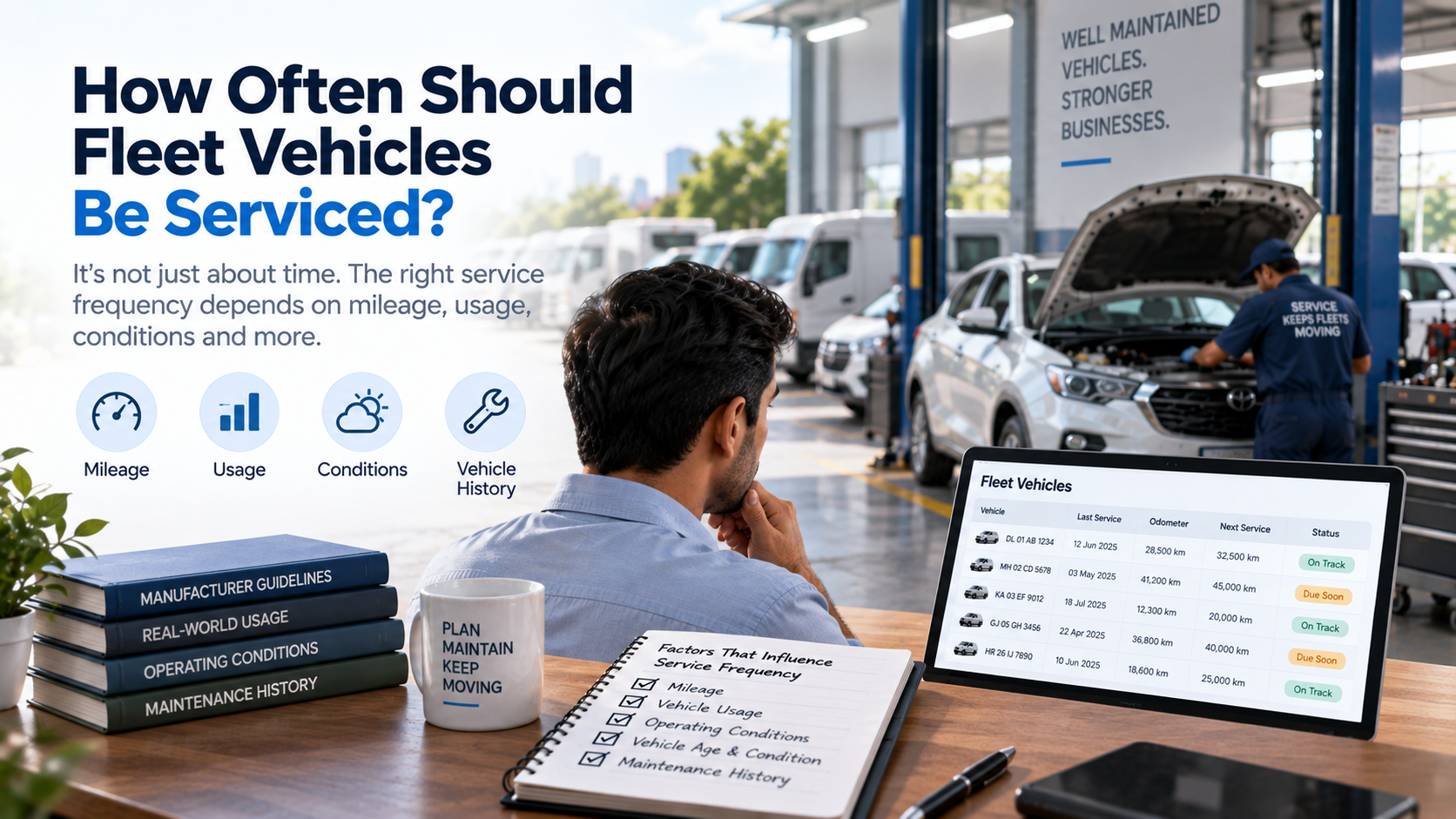
How Often Should Fleet Vehicles Be Serviced?
Set fleet service intervals using mileage, usage, conditions, age and repair history not just the calendar. Build schedules per vehicle for reliability.